







Search Results for: Strength and Mouthfeel
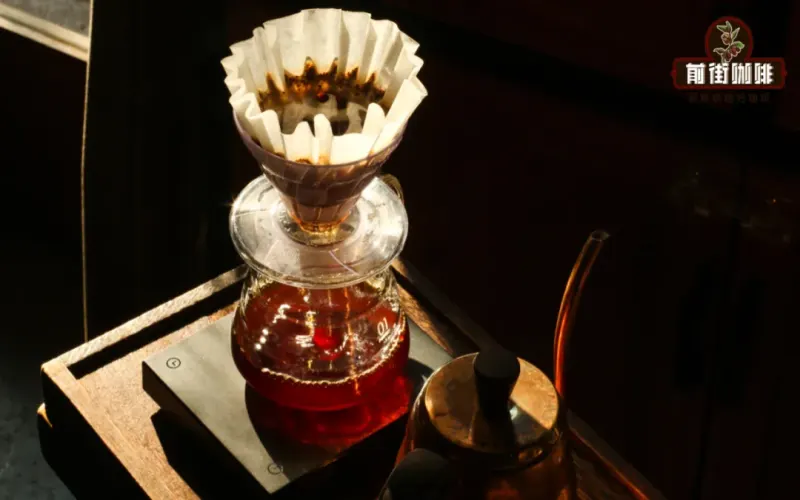
How to Adjust Hand-Brewed Coffee Strength and Extraction Yield? A Detailed Explanation of How Coffee-to-Water Ratio Affects Flavor and Mouthfeel
Among the many variables in pour-over coffee, strength and extraction yield are the core indicators that directly determine whether a cup of coffee tastes good. The strength level affects the body and the intensity of flavor, while the coffee-to-water ratio is the key lever for adjusting strength. But changes in water volume also affect the extraction yield, making adjustment complicated. Starting from Front Street's brewing practice and using Huakui coffee as an example, this article explains clearly the relationship among coffee-to-water ratio, strength, and extraction yield, and offers specific ideas on how to simultaneously correct other parameters when making it stronger or weaker, helping you brew a pot that suits your taste more efficiently. [more…]
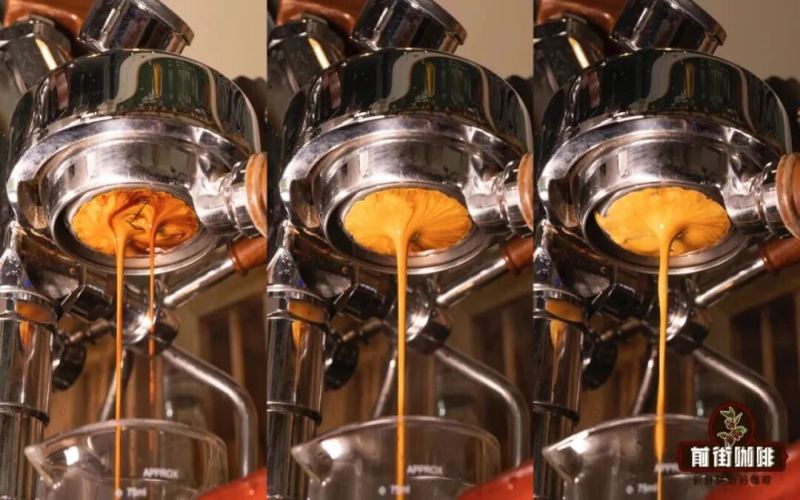
Espresso | What factors affect the strength of espresso? How can you increase the strength of Italian-style coffee?
From an extraction perspective, whether a cup of espresso tastes good first depends on the choice of coffee beans, then on the flavor and strength of the espresso, and finally on details such as the ratio of accompanying ingredients and temperature. Among these, making the espresso itself troubles many home baristas because various unexpected situations can arise. For example, from [more…]

What's the difference between an Italian milk coffee and a French au lait? Can pour-over coffee actually be made with milk?
Milk coffee actually has Italian and French variations? This seemingly obscure topic actually hides a fundamental difference in coffee strength and mouthfeel. Italian milk coffee uses espresso as its base, with high strength and full flavor; French au lait, on the other hand, uses any black coffee with milk, offering a softer taste and a lighter burden. So can pour-over coffee actually have milk added? How much is appropriate? Starting from Front Street's actual brewing parameters, this article guides you through the essential differences between the two types of milk coffee and provides a specific recipe for café au lait. Whether you're an espresso enthusiast or a pour-over devotee, you'll find the cup that suits you. [more…]

Americano | How can coffee beginners make a delicious iced Americano? What should be noted when making iced Americano? What coffee ratio is suitable for iced Americano?
Honestly, making an iced Americano is a very simple thing—we just need to pour the extracted espresso into prepared ice water, and the iced Americano is done. But, just like the view Front Street Coffee has always shared, making it is simple, but making it well is relatively difficult. Iced Americano [more…]

Coffee Strength | Will Extending Extraction Time Increase the Strength of Espresso? How to Boost Coffee Strength During Brewing?
"Boss, please extract the coffee a bit longer—I want a stronger cup." Front Street Coffee believes this is a scenario many friends working in coffee shops often encounter. Some customers, wanting a more intense cup of coffee, occasionally make this request to the shop. It's not hard to understand, because in most [more…]
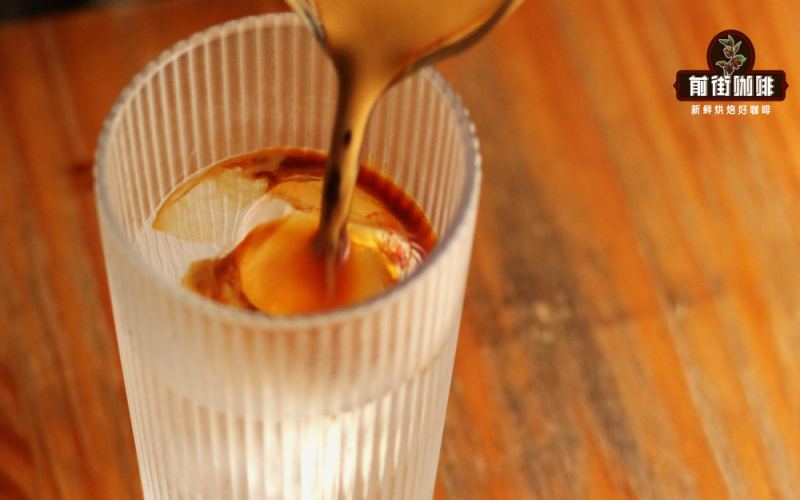
The Complete Guide to Making Iced Americano: Espresso Ratios, Flavor Changes, and the Feasibility of Instant Coffee
Iced Americano is one of the most common drinks on café menus, yet the methods and flavors vary noticeably from shop to shop. This article focuses on making an iced Americano, starting with the origins of Americano coffee, explaining in detail how the ratio of espresso to water affects strength and mouthfeel, and, drawing on hands-on testing at Front Street Coffee, analyzing what kinds of coffee beans suit the three ratios of 1:4.5, 1:6, and 1:8. The article also shares special ideas about adding water and ice to an iced Americano, as well as the flavor performance of Front Street Sunflower Warm Sun espresso blend coffee beans, helping coffee lovers understand how to make a delicious iced Americano. [more…]
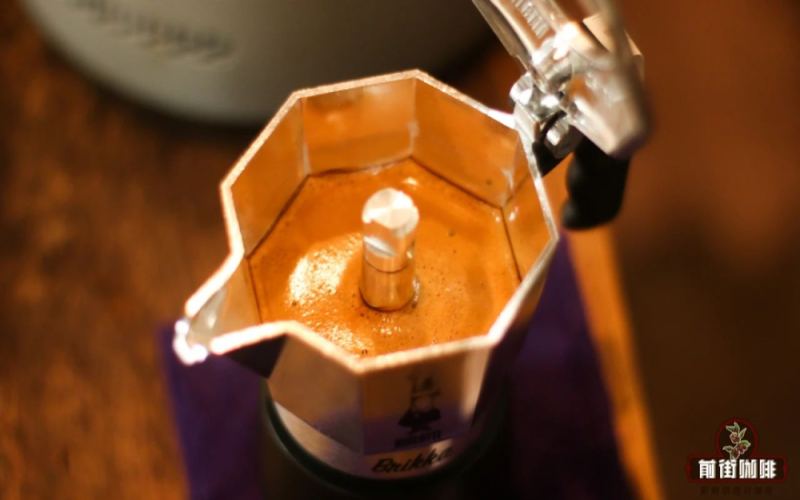
Brewing with a Moka Pot | What's the secret to making delicious moka pot coffee? Which selected medium-dark roasted single-origin coffee beans are recommended for moka pots?
Using a moka pot is very simple, but the brewing process can still sometimes result in bitterness, excessive strength, or insufficient flavor. Today we're sharing some tips for using a moka pot, hoping to help moka pot enthusiasts make delicious espresso-style black coffee at home. Let's think through everything from bean selection and brewing to tasting. 1. During use [more…]
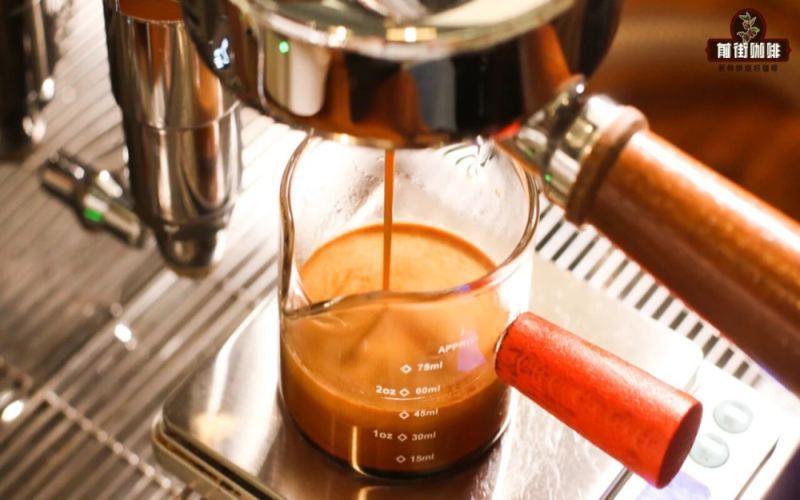
How big is the gap between a moka pot and an espresso machine? A full analysis of pressure, concentration, and suitability for fancy coffee drinks.
The moka pot is often called a "direct-fire espresso maker." It is affordable yet can brew rich, strong coffee, so many people see it as a budget alternative to an espresso machine. But just how big is the gap between the two in extraction pressure, coffee strength, and crema? Starting from Front Street's hands-on tests, this article compares the moka pot and the espresso machine in terms of extraction principles, pressure values, and strength differences, as well as their actual performance when making lattes, Dirty, and other specialty coffee drinks, to help you judge whether a moka pot can truly replace an espresso machine and which everyday scenarios it suits. [more…]
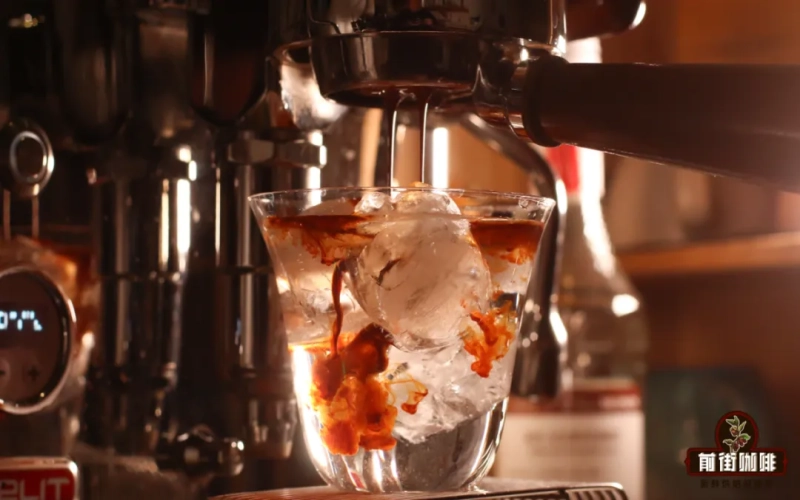
A Complete Guide to Making Americano: Espresso Base, Water Temperature, and the Ratio of Ice Water, Plus How It Differs from Moka Pot Coffee
Want to make a satisfying cup of Americano at home, but always find it hard to replicate the taste from the café? In fact, everyone's equipment, beans, and taste preferences are different. Rather than copying parameters directly, it's better to learn to adjust flexibly according to your own conditions. Starting from Front Street's practical experience, this article will systematically explain the three keys to making a delicious Americano: the selection and extraction of the espresso base, the adjustment of coffee strength (including the ratio for hot Americano and iced Americano, and water temperature control), and the effect of the amount of crema on the mouthfeel. At the same time, it will also answer the essential difference between Americano and moka pot coffee, helping you find the cup that suits you best. [more…]

How to Choose Coffee Bean Aroma and Strength? A Comprehensive Analysis from Roast Level to Front Street Coffee Espresso Blend and Mandheling SOE
The flavor profile of coffee is not determined by a single factor; the growing origin, processing method, roast level, and brewing technique all influence the taste in the final cup. If you prefer a richer mouthfeel, medium-dark roasted SOE or espresso blend beans are a more suitable direction, as pressurized extraction can deliver a stronger, fuller body and roasty aroma. This article, centered on different flavor needs, sorts through a range of espresso recipes from those with prominent crema to those with a softer mouthfeel, while also extending into the realm of high-grade pour-over single origins. It introduces specific products such as Front Street Coffee Classic Blend, Front Street Coffee Dark Cocoa Blend, and Front Street Coffee PWN Golden Mandheling SOE, helping coffee enthusiasts find the cup that suits them between aroma and intensity. [more…]

Pour-over coffee lacking aroma and thin in flavor? Analyzing parameter adjustments for light and dark roasts from the perspective of strength and extraction yield
Ever brewed the same coffee beans at home, only to find it never tastes as rich as what you get in a café? The problem usually lies in strength or extraction yield. Insufficient strength often comes from using too much water and diluting the coffee, while under-extraction stems from poorly tuned parameters like water temperature, grind size, and brew time. This article breaks down in detail how to improve the flavor by adjusting the coffee-to-water ratio, water temperature, and grind size, and shares two sets of brewing parameters from Front Street for medium-light and medium-dark roasted coffee beans, helping you easily brew pour-over coffee with full aroma and standout flavor. [more…]

Pour-Over Coffee Strength Adjustment Guide: Key Parameters and Techniques Beyond the Coffee-to-Water Ratio
In the world of pour-over coffee, adjusting strength seems simple—want it stronger, use less water; want it weaker, use more water. However, when changes to the coffee-to-water ratio go beyond a reasonable range, the extraction yield also shifts, which in turn affects the overall flavor of the coffee. This article uses Front Street Coffee's commonly used 1:15 coffee-to-water ratio as an example to explain in detail how to adjust strength while coordinating parameters such as water temperature and grind size to avoid under-extraction or over-extraction. In addition, it introduces the simple method of diluting strength by adding water (bypass) and reminds readers of precautions during operation. Whether you are pursuing a rich mouthfeel or a light flavor, these practical tips can help you control every cup of coffee more precisely. [more…]

Pour-Over Coffee Strength Adjustment Techniques: How Coffee-to-Water Ratio and Parameter Adjustments Affect Flavor Expression
The most direct way to adjust the strength of pour-over coffee is through the coffee-to-water ratio. If you want a bolder cup, reduce the amount of water poured; if you prefer something lighter and more refreshing, simply increase the water. However, changing the coffee-to-water ratio doesn't just affect concentration—it also shifts the extraction yield. Within the parameters recommended by Front Street Coffee, 1:15 to 1:16 works for most coffee beans: 1:15 gives a solid body and full flavor, while 1:16 is lighter and more layered. If you're brewing a dark roast and want it stronger, jumping straight to 1:13 may lead to under-extraction and a missing finish—this is where grind size and water temperature come in to help. This article will systematically sort through various approaches to adjusting concentration, including coffee-to-water ratio, grind coarseness, water temperature changes, and the By Pass technique, to help you find the balance point across different roast levels. [more…]
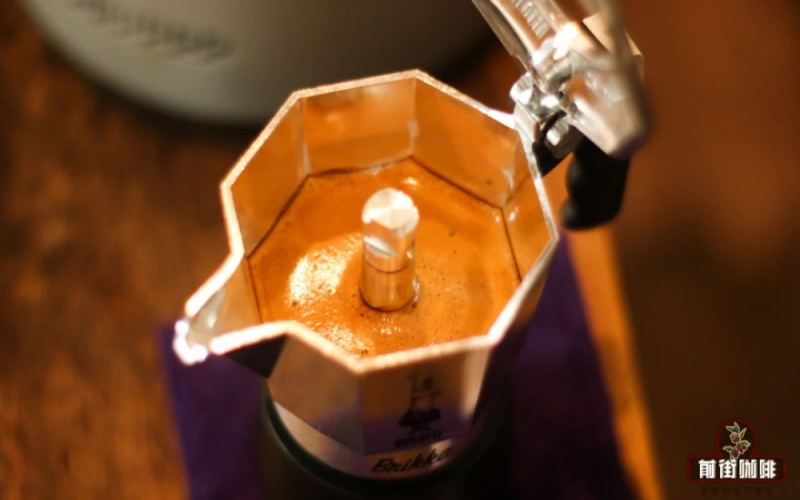
From Bean Selection and Grinding to Brewing: 6 Key Operational Details to Make Moka Pot Coffee Smoother
The Moka pot has a low barrier to entry, but in actual brewing it often produces problems like heavy bitterness, overly high concentration, or thin flavor. This article starts with selecting coffee beans by roast level, then explains in turn the filling method for the coffee dose, the testing logic for grind size, the auxiliary use of filter paper, heat adjustment during the heating process, and finally how to adjust strength by adding water. Each step provides specific operational suggestions and directions for adjustment, and it also recommends medium-dark roasted Front Street Coffee series beans suitable for the Moka pot, helping enthusiasts systematically improve the quality of their Moka pot output. [more…]

Coffee brew color | How can you judge the roast level/strength/filtration method of coffee beans by coffee color? What is the difference between dark roast and light roast coffee?
Today a friend was discussing a very interesting question: how to brew "wine-red" coffee. That's right—the wine-red refers to the color of the coffee liquid, because the friend who brought up this topic found that wine-red coffee seems to taste better than coffee of other colors, so they started this discussion. [more…]

By-Pass Technique in Coffee Brewing: Principles, Applications, and Key Control Factors Explained
In the field of coffee brewing, By Pass is a concept that is practiced far more often than it is discussed in theory. Many enthusiasts simply equate it with adding water to dilute brewed coffee, but is this understanding accurate? Starting from the literal meaning of By Pass, this article will systematically explain the underlying logic of the bypass technique in conjunction with the relationship between extraction yield and strength in the Golden Cup standard. It also introduces Kanazawa-style brewing as a reference, analyzing how to use a 1:13 coffee-to-water ratio together with bypass water equal to twice the coffee dose to optimize the acidity and cleanliness of light-roasted coffee, and explores the room for adjusting parameters such as grind size and water temperature. [more…]

How Beginners Can Brew a Good Cup of Coffee with the Perfect Strength and Balanced Acidity, Sweetness, and Bitterness: A Full Guide to Grind, Dose, and Water Temperature Adjustment
To brew a cup of coffee at home that is both balanced and moderate in strength, relying on a single fixed set of parameters is far from enough. Starting with coffee bean selection, this article breaks down how to flexibly adjust the extraction plan for coffee beans in different states around three core variables: grind size, dose, and water temperature. It also specifically shares correction ideas for when strength and taste balance deviate, helping beginners gradually build a logical brewing correction framework. Whether you are just getting into pour-over or already have some experience, you can find practical directions for adjustment here. [more…]
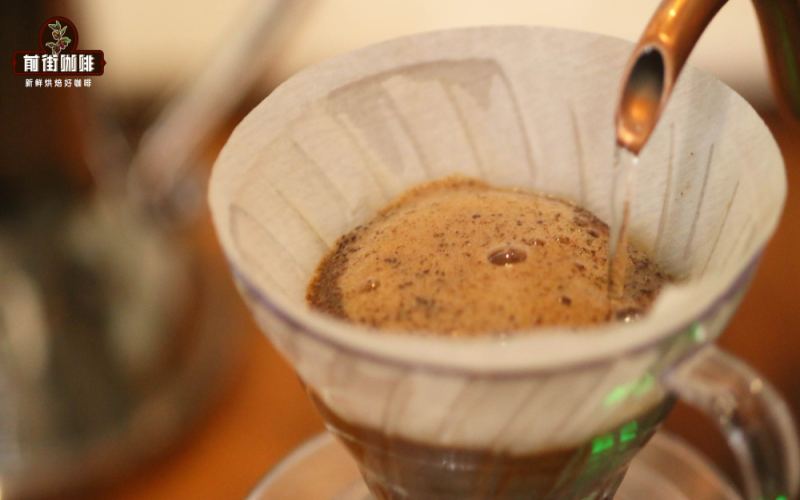
Pour-over Coffee Strength | Is the Golden Ratio of Water to Coffee for Pour-over 1:15? When brewing pour-over coffee, is more water always better?
When making coffee, the coffee-to-water ratio is the first brewing factor we need to determine. So what is the standard coffee-to-water ratio? The answer is: the golden ratio is 1:18, meaning every 1g of coffee corresponds to 18ml of water. This ratio was derived by the American Coffee Association through surveys and extensive practice. But [more…]
A Comprehensive Comparison of the AeroPress and Pour-Over Coffee: Extraction Principles, Strength and Flavor Differences, and Brewing Process Explained
The AeroPress and pour-over coffee are two common methods for brewing specialty coffee, and they differ significantly in extraction principles, concentration, and flavor profile. Starting from the working mechanism of the AeroPress, this article will break down its preparation process in detail and systematically compare pour-over coffee and the AeroPress in terms of concentration and mouthfeel, helping coffee enthusiasts choose the brewing device that suits their preferences. The article also includes Front Street Coffee bean recommendations and purchasing channels for everyday reference. [more…]

American Coffee vs. Lungo: A Comparative Analysis of Extraction Methods, Strength and Taste, and Key Points for Choosing Espresso Beans
American coffee and Lungo both belong to the Italian-style black coffee system, and both are based on espresso, but their extraction logic is completely different. American coffee is made by diluting espresso with water, while Lungo achieves a "stretched" effect by extending the extraction time and increasing the amount of water. The former has a flexible sequence, and the crema may be kept or dispersed, while the latter changes the flow rate, doubles the volume, has higher caffeine, and a softer taste. This article will clarify the specific differences between the two in operation, volume, and flavor, and explain why Italian-style blend beans have become the first choice for making this type of coffee, while also introducing the positioning of Front Street Coffee's four blend beans and its fresh roasting philosophy. [more…]